Buying Guide
Dual Fuel vs. Gas Ranges: Which Belongs in Your Kitchen?
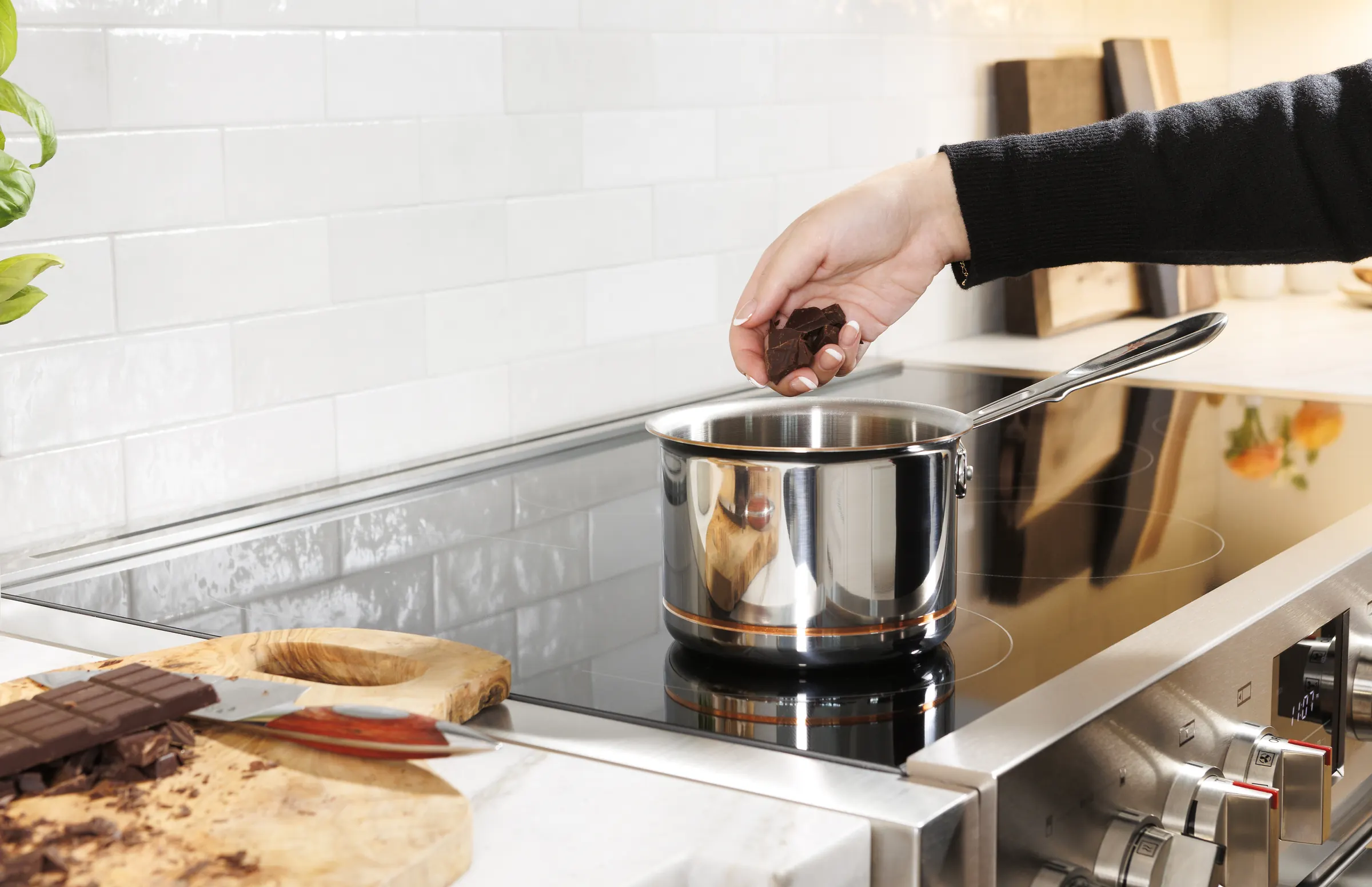
Choosing between a dual fuel range and an all-gas range is one of the first real decisions in a kitchen renovation, and it is usually made for the wrong reasons. Both look nearly identical on a showroom floor. The difference is entirely in how they behave once you are cooking.
What "dual fuel" actually means
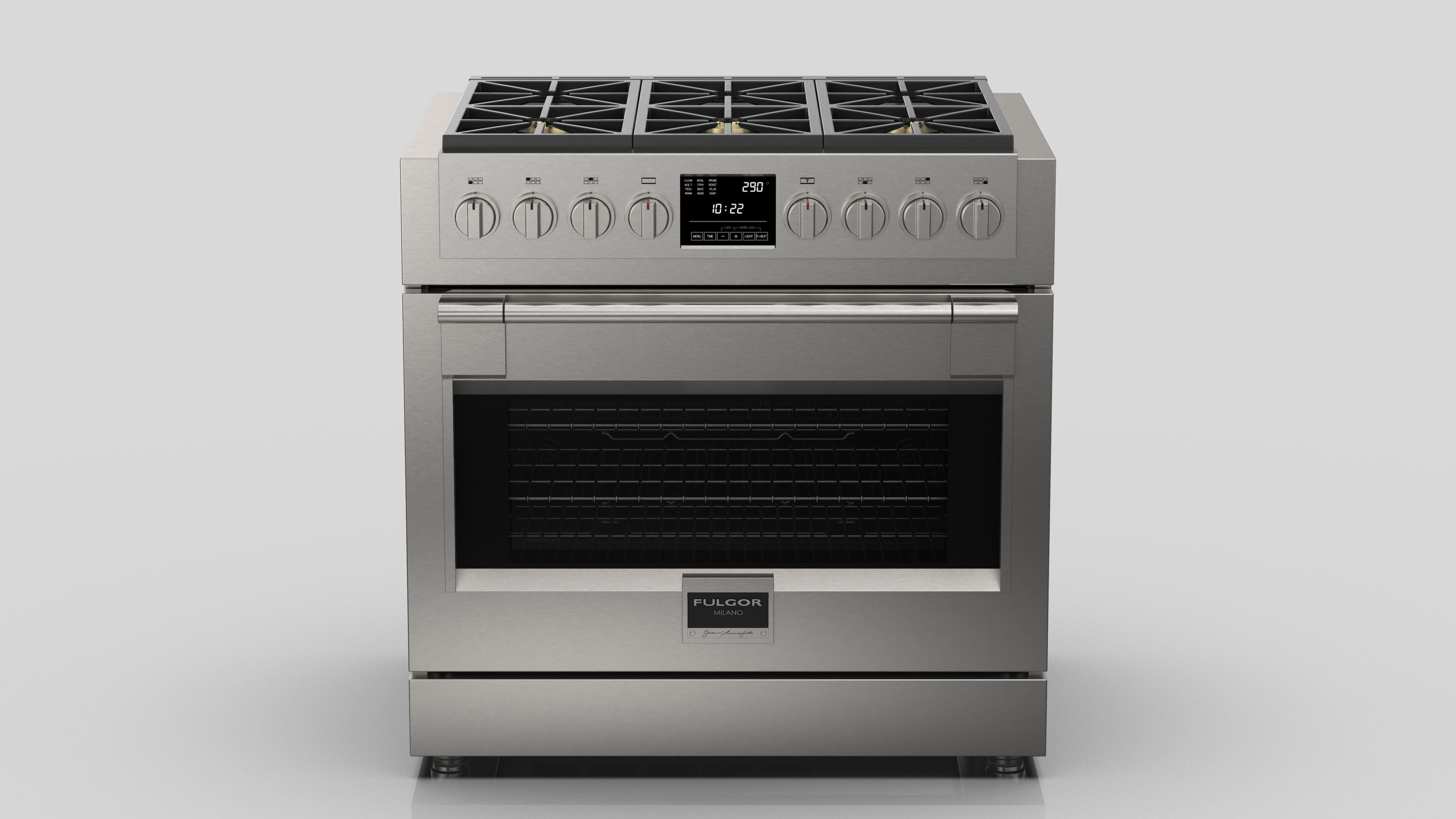
A dual fuel range pairs a gas cooktop with an electric oven. The idea is to use each fuel where it performs best: gas gives immediate, visible flame control on the surface, while electric heating elements hold a far steadier temperature inside the oven cavity.
Where each one wins
Gas ranges respond instantly and cost less to run in most of South Florida. Electric ovens hold temperature within a much tighter band, which matters the moment you start baking rather than roasting.
| Dual Fuel | All Gas | |
|---|---|---|
| Cooktop response | Instant | Instant |
| Oven temperature stability | Excellent | Good |
| Baking and pastry | Preferred | Workable |
| Installation | Needs 240V line | Gas only |
| Typical cost | Higher | Lower |
The installation question people forget
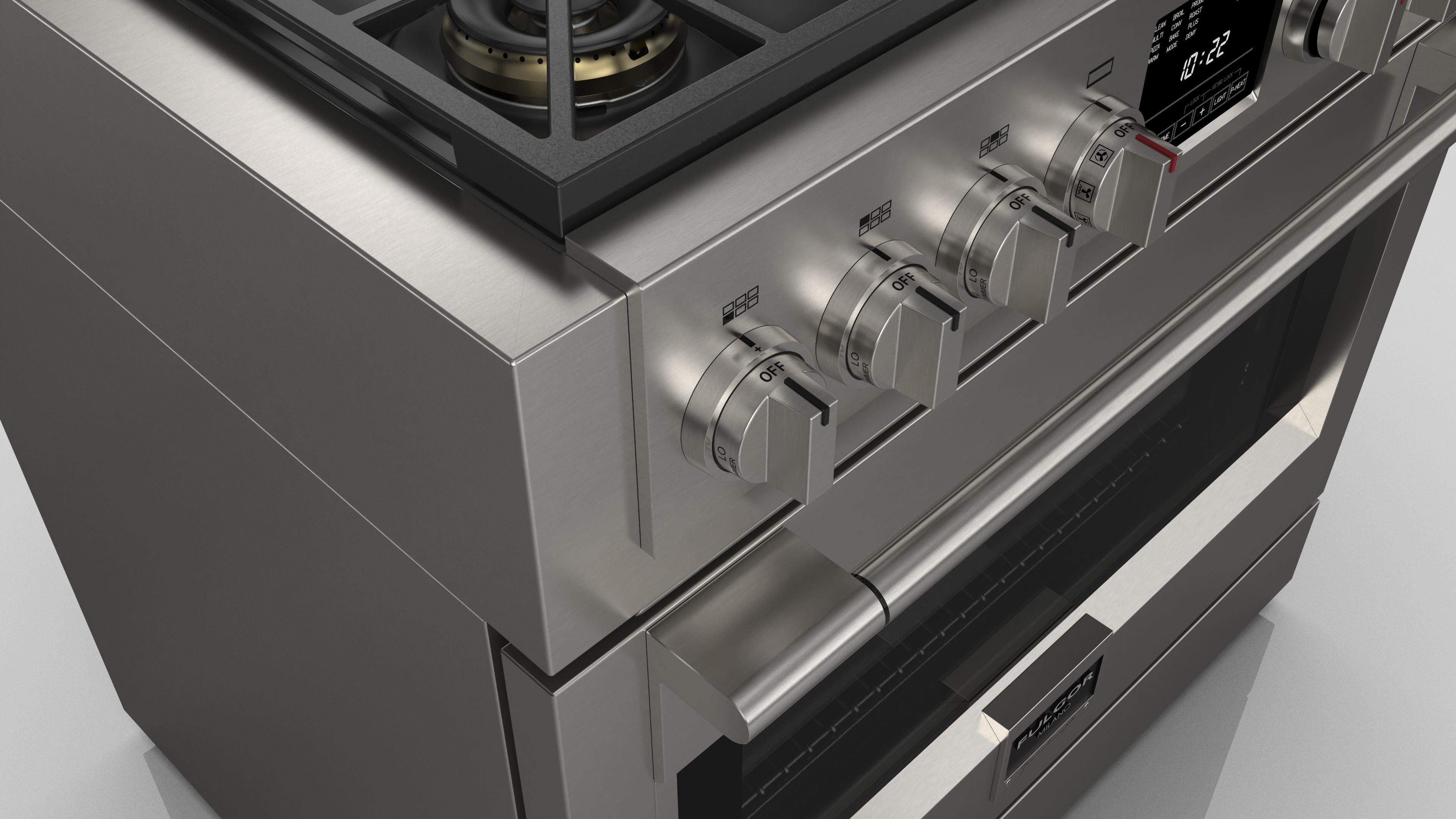
A dual fuel range needs a 240-volt electrical line at the range location in addition to the gas supply. In a new build this is trivial. In a renovation of an older South Florida home, it can mean running a new circuit from the panel — worth pricing before you fall in love with a model.
How to decide
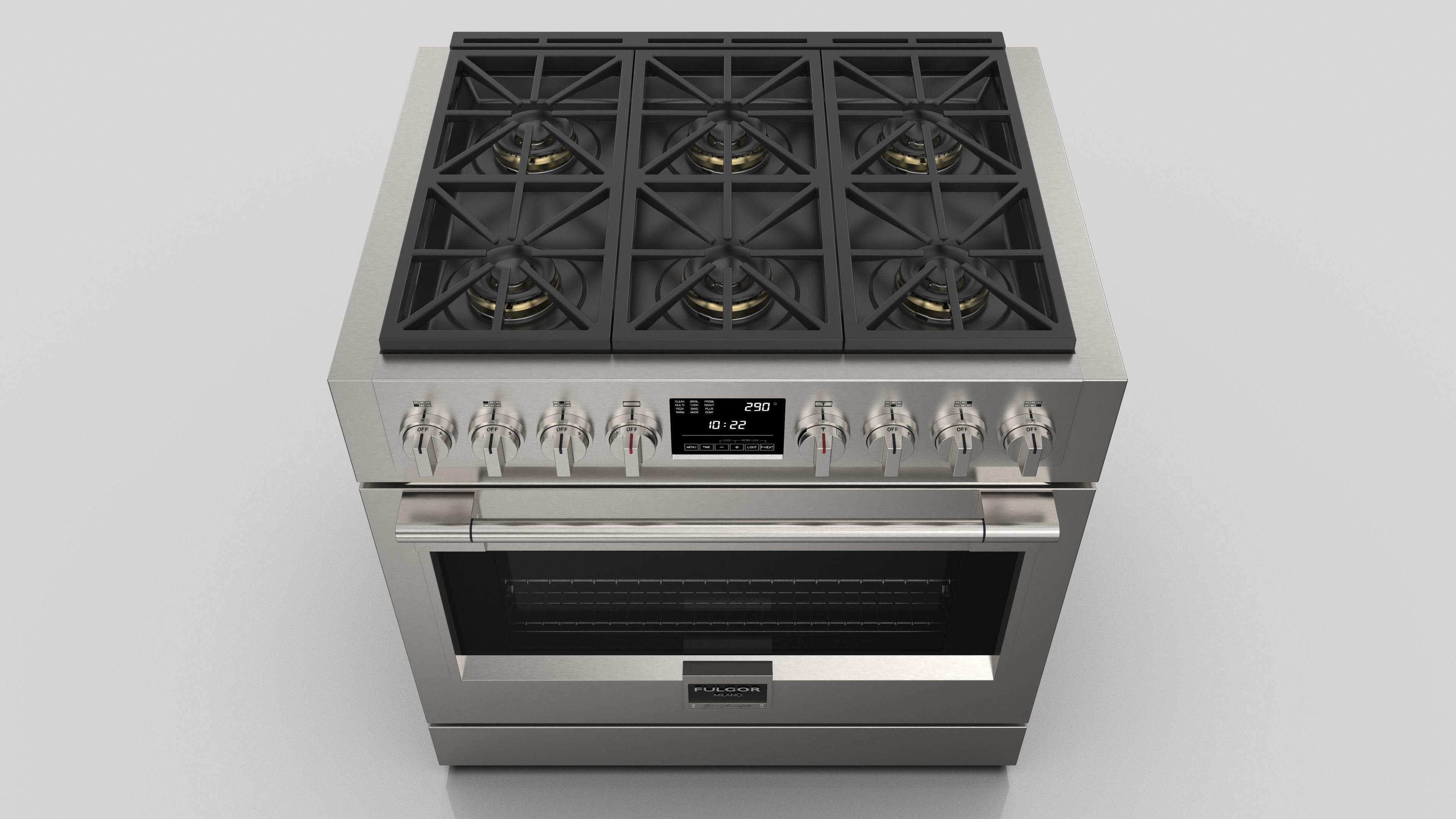
If you bake regularly — bread, pastry, anything where a twenty-degree swing shows up in the result — dual fuel earns its premium. If you cook mostly on the surface and use the oven for roasting and reheating, an all-gas range delivers nearly the same experience for less.
Frequently Asked Questions
What is the difference between a dual fuel range and an all-gas range? A dual fuel range combines a gas cooktop with an electric oven. An all-gas range uses gas for both. The cooktop behaves the same way in each; the difference is inside the oven.
Is dual fuel better for baking? Generally yes. Electric elements hold a tighter temperature band, which shows up in bread, pastry and anything sensitive to a small swing. For roasting and reheating, the difference is far less noticeable.
Does a dual fuel range need special wiring? Yes. Fulgor Milano dual fuel ranges require a dedicated 208/240V circuit with a NEMA 14-50 outlet, in addition to the gas supply. In an older home this may mean running a new circuit from the panel, so price it before you choose a model.
Does an all-gas range need electricity? Yes, a standard 120V outlet for ignition and controls.
Can I replace an all-gas range with a dual fuel one? Only if a 208/240V line is available or can be added at that location. Have a licensed electrician confirm your panel capacity before ordering.
How do I know which is right for my kitchen? Start with how you actually cook. Frequent baking favors dual fuel. Mostly surface cooking favors all gas. Your dealer can walk you through the specifications for the model you are considering.
Planning a Fulgor Milano kitchen?
Download the full product guide, or find an authorized dealer near you in South Florida.