Design
Five Principles Behind Italian Kitchen Design
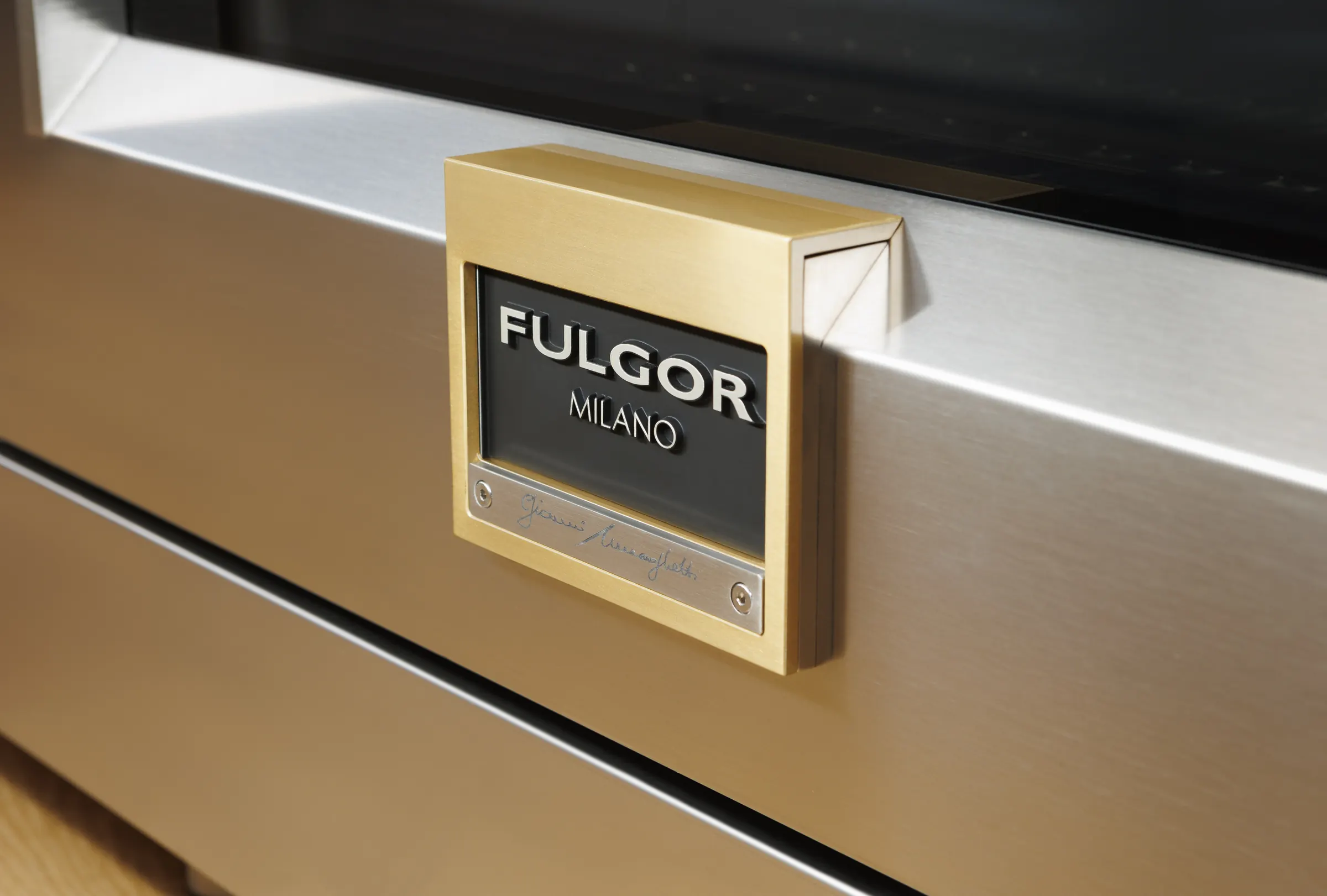
Italian kitchen design is often described as minimal, which misses the point. It is not about having less. It is about every element earning its position.
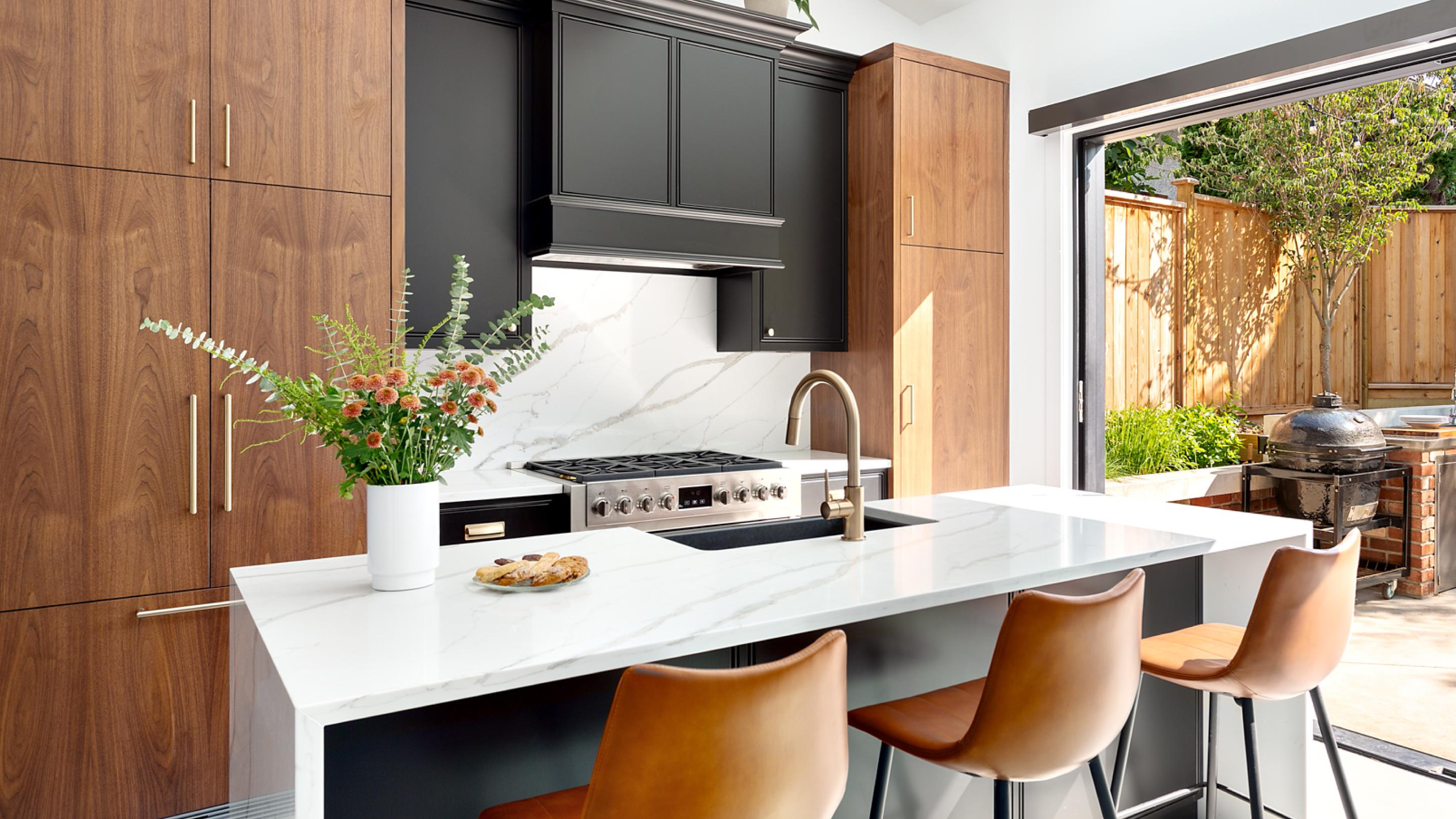
1. The work triangle is still the foundation
Sink, cooktop, and refrigeration should form a triangle whose sides total between 13 and 26 feet. Italian designers treat this as a starting constraint rather than a suggestion, and the discipline shows in how these kitchens feel to actually cook in.
2. Materials are allowed to be themselves
Stainless steel that reads as stainless steel. Stone with visible variation. There is very little interest in one material pretending to be another — a restraint that ages considerably better than the alternative.
3. Appliances integrate rather than announce
Panel-ready refrigeration, flush-installed cooktops, and hoods recessed into cabinetry keep the eye moving across the room instead of stopping at each machine.
4. Proportion over ornament
Detail comes from the relationship between elements — the reveal between cabinet doors, the alignment of a backsplash to a window edge — rather than applied decoration.
5. Built for decades, not seasons
The underlying assumption is that a kitchen is a long-term installation. This is why Italian manufacturers tend to over-engineer hinges, burners, and door mechanisms well beyond what a warranty period would require.
Applying this in a South Florida kitchen
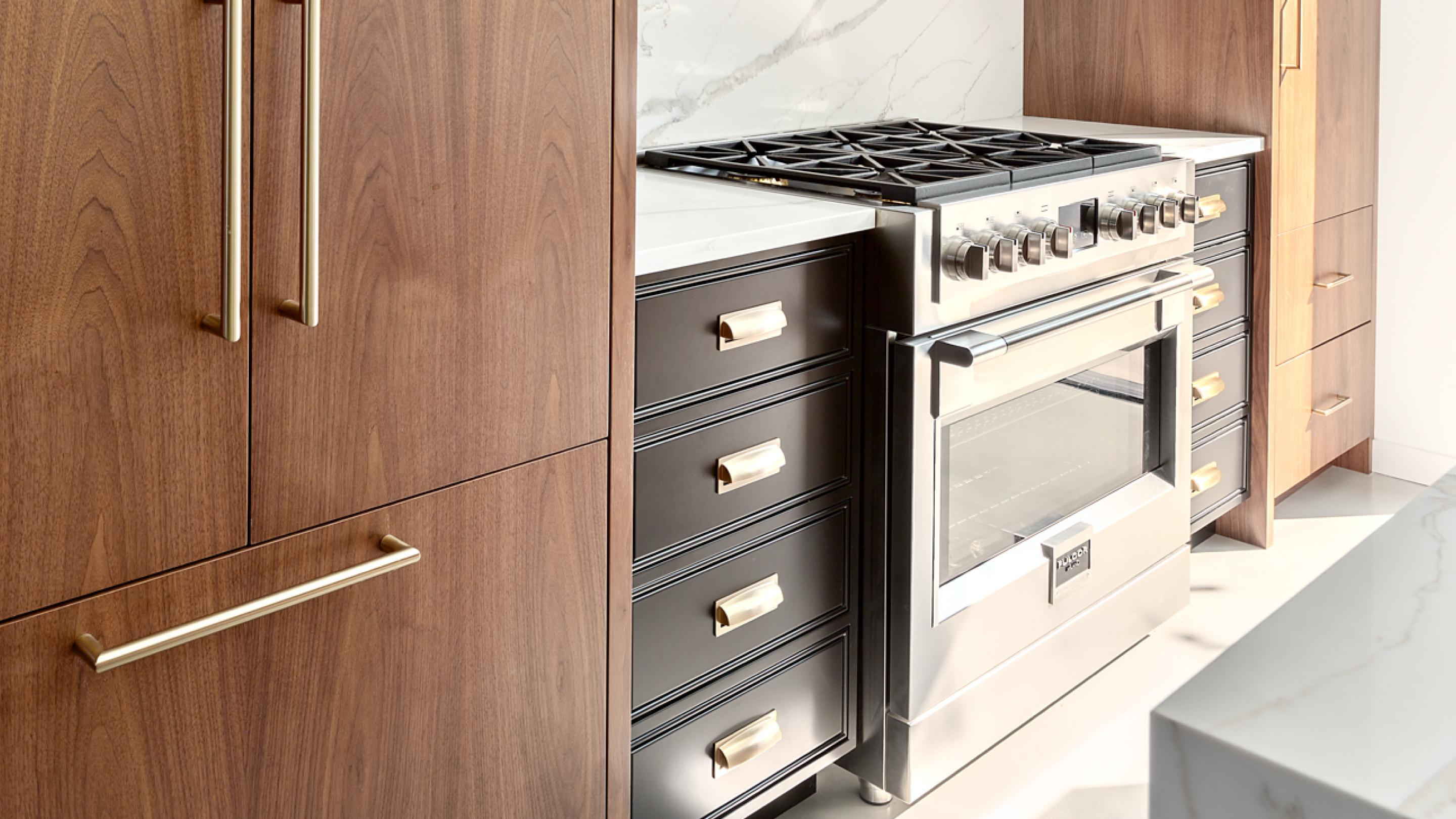
Humidity and salt air are the local variables. Marine-grade stainless, sealed stone, and proper ventilation do more for longevity here than any finish choice — the Italian instinct toward durable, honest materials happens to suit the climate well.
Planning a Fulgor Milano kitchen?
Download the full product guide, or find an authorized dealer near you in South Florida.