Kitchen Design
How Much Ventilation Does Your Range Really Need?
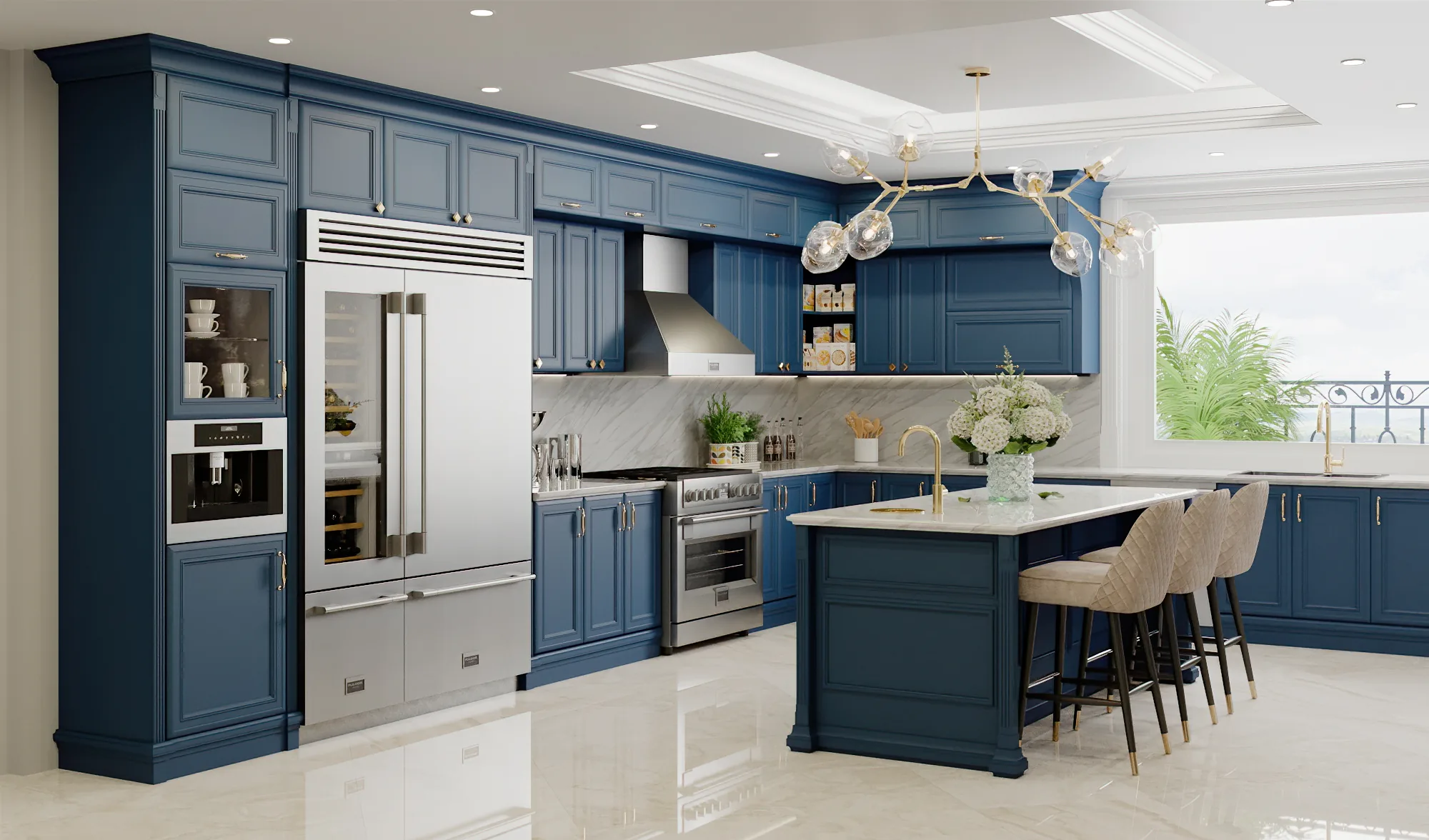
Ventilation is the most commonly under-specified appliance in a luxury kitchen. Buyers spend months choosing a range and then pick the hood in an afternoon, usually based on how it looks. The result is a beautiful kitchen that smells like last night's dinner.
Start with the cooktop, not the hood

The rule of thumb is 100 CFM per 10,000 BTU of cooktop output. Add up the rated BTU of every burner, divide by 100, and you have your minimum airflow.
A professional range with six burners can easily total 90,000 BTU or more, which points to a 900 CFM hood — considerably more than the 400 CFM units sold as standard.
Capture area matters as much as CFM
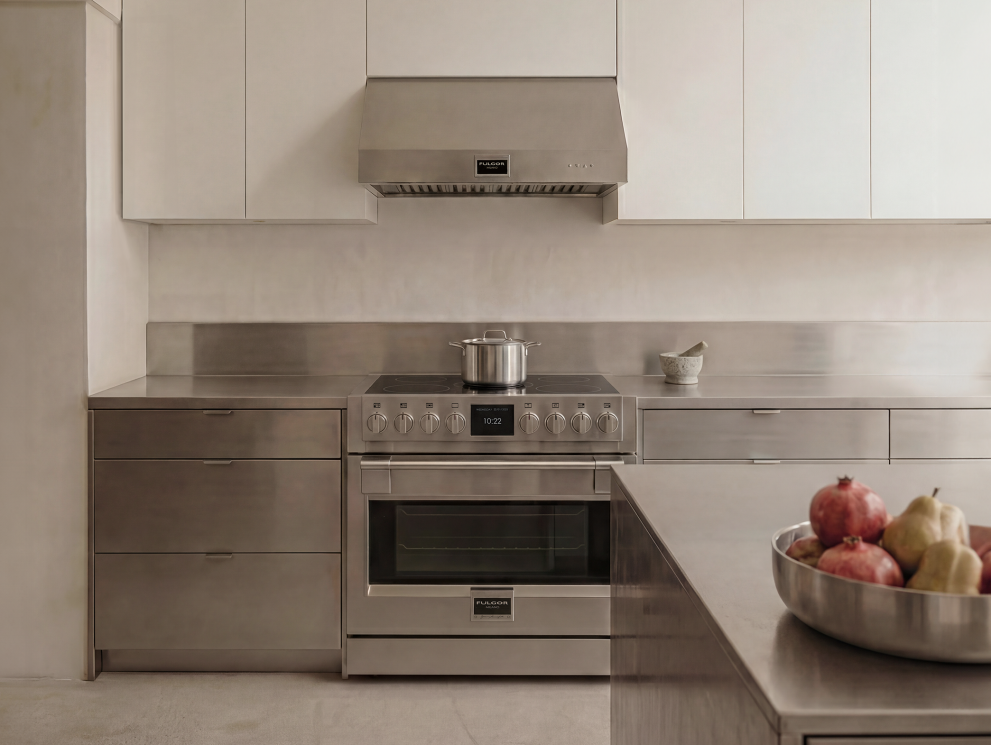
Airflow only helps if the hood is physically positioned to catch the plume. The hood should be as wide as the cooktop or wider, and mounted within the manufacturer's specified height range — typically 30 to 36 inches above the surface. A powerful hood mounted too high performs worse than a modest one mounted correctly.
Don't skip make-up air
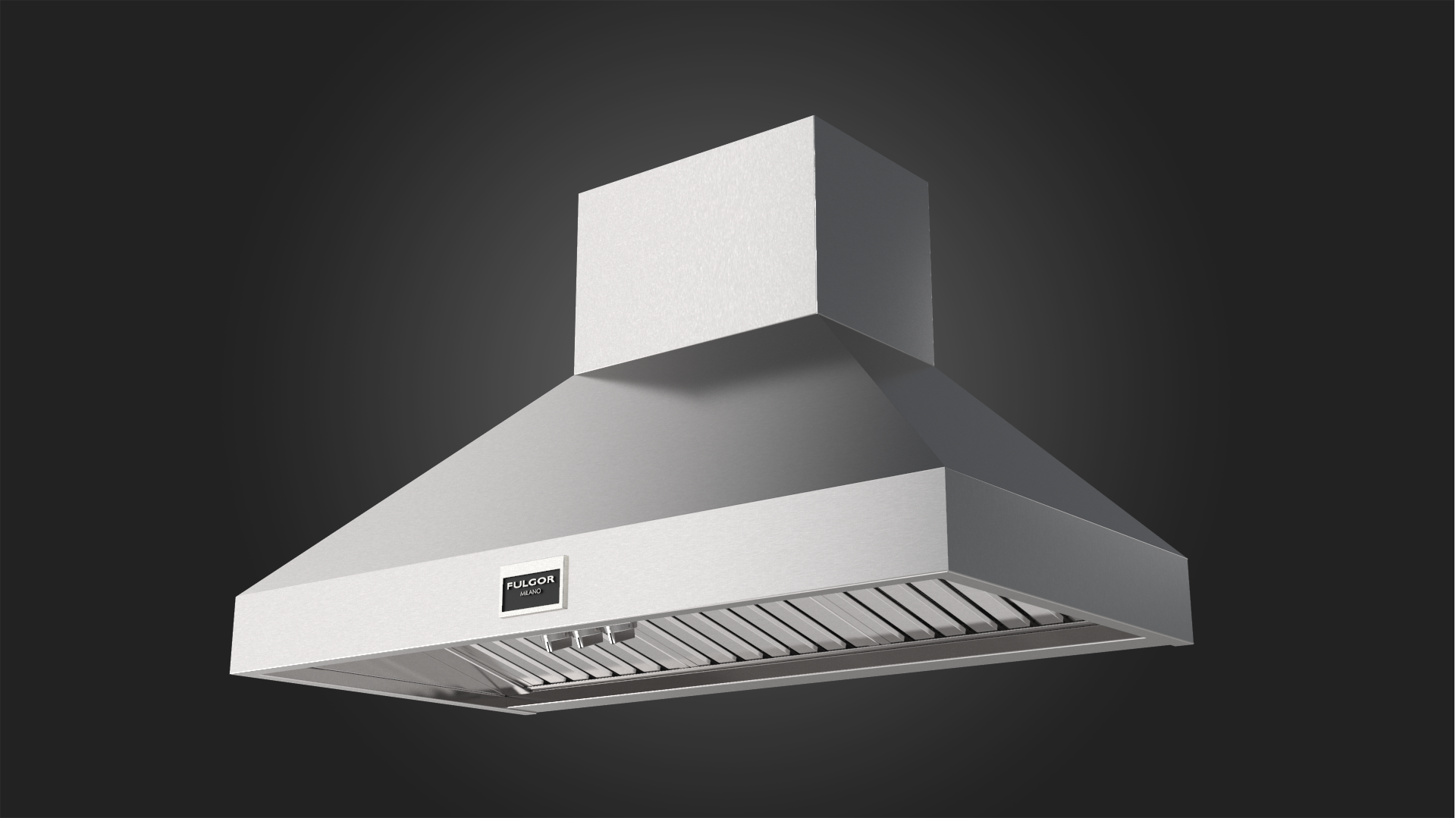
Any hood moving more than roughly 400 CFM pulls enough air out of the house that it has to be replaced from somewhere. In a tightly built home this causes back-drafting and doors that resist opening. Most jurisdictions now require a make-up air system above that threshold — confirm the requirement with your installer early, because retrofitting it is expensive.
Frequently asked questions
Is a ducted hood always better than recirculating? Yes, where it is physically possible. Recirculating filters remove grease and some odor but return heat and moisture to the room.
Does a quieter hood mean a weaker one? Not necessarily. Sone ratings depend heavily on blower design and duct sizing. An oversized duct run and a remote blower can make a high-CFM hood quieter than a small one.
Planning a Fulgor Milano kitchen?
Download the full product guide, or find an authorized dealer near you in South Florida.